Wednesday, August 08, 2012

Retroactive : 1980

The year in music : 1980


The inaugural year of the new decade saw the continual influence of ska, new wave and reggae on the pop charts but there was a filthier brew fermenting in clubs of the UK underground : that of the New Wave of British Heavy Metal or NWOBHM for short (commonly pronounced 'Nwobbem' by historically-minded scribes like myself). Termed 'new' to distinguish itself from the first wave of British heavyweights such as Led Zeppelin, Black Sabbath and Deep Purple who'd emerged some ten years previously, the new wave of bands put a rougher, faster spin on the genre and rallied support from a provincial Britain that had grown weary of punk's urban elitism and the stadium-sized rock scene of the 1970s. Out went theatrical costumes, pantomime mysticism and mid-Atlantic stage banter, in came sweaty denim and leather, pub rock everyman appeal and shit-thick regional accents - metal had returned to the masses and the scene would launch numerous future superstars as well as giving a shot in the arm to established acts like AC/DC and Judas Priest whilst its rivets and testosterone take on the genre would in turn influence the subsequent trends of the decade in heavy music (thrash, death metal, black metal, crossover). It wasn't all brown ale and sideburns though, the Yanks weighed in with their own forces in punk and hardcore whilst the suicide of Joy Division's Ian Curtis would call time on one of England's most influential bands whilst simultaneously spawning another. A pivotal year for the tunes then - here's my selection of the best 1980 had to offer. 


Albums of the year

1. AC/DC - Back in Black
The 'classic album' tag can do more harm than good sometimes, denoting either elitist music critic praise or bland everyman appeal forging superficial connections with all listeners but igniting genuine passion in none. It certainly doesn't fit the bracket for the rude, sweaty journey through rock 'n' roll redemption that made 'Back in Black' a jukebox staple, a critics' favourite and, believe it or not, the third best selling album of all time (behind 'Thriller' and 'Dark Side of the Moon' if you're curious). And the best thing about it is that besides the tragic background to the record's inception, this is pretty much just like every other AC/DC record - crammed full of songs about drinking, shagging and rocking out. Proof if you want it that being too clever isn't always the best option - there's nothing wrong with big dumb fun done the right way.

The folklore surrounding 'Back in Black' is universally familiar - original vocalist Bon Scott bit the big one after one party too many in early 1980 and the remaining members, after toying with the idea of breaking up, decided instead to close ranks and hire a new vocalist in the shape of high-pitched dockyard screecher Brian Johnson. They then set about honouring Scott's memory by laying down their strongest material yet as a tribute - not, it should be highlighted, as a po-faced morality play on the perils of sex, drugs and rock 'n' roll but instead picking right up where they'd left off and coming back louder, harder and stronger. Before the year was out 'Back in Black' was topping the charts and you know the rest although having said that it's worth taking a moment to think about how long bands would take to get their shit together these days if they were faced with anything similar. The AC/DC juggernaut kept on rumbling through the 1980s as they got bigger and if not necessarily better then at least reliably consistent. No ballads, no fashion overhauls, no rehab or religious conversions, just balls out rock 'n' roll all the way. As for the songs, you know them already : 'Hell's Bells', 'You shook me all night long', 'Rock 'n' Roll ain't noise pollution', 'Shoot to thrill', the mightly title track, 'Let me put my love in you'....I could go on. Every place licensed to serve alcohol around the world should be forced to keep a copy of this album on the premises at all times and anyone caught complaining to the police that it's being played too loud should be thrown in jail for crimes against music. Many have tried to copy the format of simple, hard-edged and catchy R'n'R on show here but nobody's even come close to these guys - sweaty denim, spilt lager and tinnitus have never been translated into music as effectively as on 'Back in Black' and probably never will. Proof that there is indeed life after death and it's fucking great!

Check out : 'Let me put my love into you'. Whoever said romance was dead?


2. Motörhead - Ace of Spades
Trends come and go, and the rush of young British guitar bands peaking around 1980 for the NWOBHM phenomenon provided the backdrop for a lot of good bands that had been around for a while to ply their trade to a new audience. Having gotten off the blocks in the mid 70s following Lemmy's acrimonious exit from Hawkwind, Motörhead were one of those bands but their sound is one that transcends period precision, tapping into the same vein of rock 'n' roll swagger that dates back to the 50s. Indeed you'd imagine that if Lemmy and Robert Johnson had crossed paths back in the day that they'd have been able to communicate telepathically, recognising the aura of the whisky-swilling, slut-banging, live-fast-die-young rock 'n' roll lifer that only those that devote their existence to the art can project without even trying. Motörhead tapped into the reserve of dark R'n'R treacle that's been around forever in the same way that Black Sabbath, Blue Cheer, Hendrix and Iron Butterfly drank from, but the landscape in which they emerged with the nascent rumblings of punk and the later NWOBHM explosion made their faster, grizzlier take on the sound even more potent and seductive. Lemmy embodies the kind of rocker that you run into in every small town around the world - hirsute, macho and lacking in general hygiene, emanating a fug of sweat, tobacco and 40% proof body odour that no amount of Lynx or shampoo can smother. His signature quote when 'Spades' came out was that if the band moved in next door to you then 'your lawn would die' and given the state of the band back then it's hard to disagree - with ruthlessly precise guitarist Fast Eddie Clarke and utterly unhinged drummer 'Philty Animal' Taylor completing the trio they boys locked into an utterly devastating drive on 'Ace of Spades' and ploughed through everything in their path. Lemmy's tang-slaying anthems such as 'Jailbait' and 'The chase is better than the catch' may offend modern PC sensibilities but there's no denying their charm, while their heartfelt tribute to the sweaty neanderthals that load their amps and score them speed in the shape of 'We are the road crew' reinforces the stance that this was a band of the people rather than the elite. As for the title track, has there ever been a more universally acclaimed three minutes of guitar mayhem? 'Ace of Spades' is more than just a rock anthem, it's practically a definition of what rock music should be - fast, rude and relentlessly aggressive. Whilst the entire world recognises the Beatles, 'Ace of Spades' will nevertheless elicit wider grins of approval amongst rock fans from all corners of the globe - this is England's real gift to global culture. Scrap 'God save the Queen' and stick 'Spades' on before our sports matches, we'll see a difference pretty sharpish. This album rules but the best thing about it is that it's not noticeably better than any other Motörhead record - these dudes are still pumping out albums every other year over three decades later and there's no sign of them stopping either. Their sales peak may have come with 'Spades' along with 'No Sleep til Hammersmith', the live record taped on the accompanying European tour (which provided them with their only UK #1 the following year) but Motörhead have been on it ever since without so much as a pause for breath. Like their peers AC/DC and the Ramones, the boys have made their trade in keeping it simple and straightforward but unlike the aforementioned scene-leaders, the 'Head have stayed on the road and in the studio (not to mention the bar) without ever fading from the limelight. They'll be playing clubs and wrecking eardrums until they drop dead on stage, and that deserves a certain amount of respect. As I write this, Whitney Houston's funeral is round the corner and the music world is in mourning - considering she was a drug-free virgin by the time Lemmy and co laid this one down on wax and they're still touring today and sounding GREAT, I'd see that as cause for celebration.

Check out : 'Love me like a reptile' - fast and sleazy, the way only they can do it.
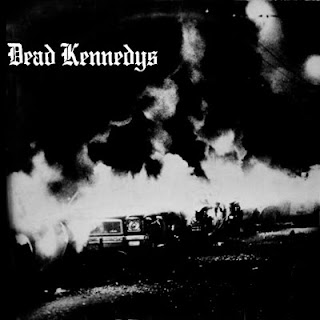

3. Dead Kennedys - Fresh fruit for rotting vegetables
We Brits have always argued with the Yanks over who started punk, who had the best bands, who copied who etc etc. It's a boring and pointless debate of course - whenever it broke anywhere in the world, punk served as a knee-jerk reaction against the musical and political establishment which in Britain meant rubbish mid-70s chart music and public school prog rock whilst the Yanks had disco decadence, Country & Western and the likes of Journey to contend with. Picking apart who was first to the three-chord riffs and safety pins is unnecessarily divisive, the music should just be universally enjoyed regardless of where you're from - in fact the same probably goes for most of the aforementioned music that punk rebelled against which the passing of time has revealed wasn't actually that bad after all.

But I disgress. Whilst the UK had Crass, the Damned, Sham 69 and the brawn & brains front couple of the Pistols and the Clash, the Yanks brought irresistible gonzoid fun in the shape of the Stooges and the Ramones along with a host of punkoid piglets suckling on a new beast that would come to be known as hardcore. Black Flag, Minor Threat, Bad Brains and many others played their own role but the first to crossover to wider audiences were the Dead Kennedys and 'Fresh Fruit' is probably the strongest showcase of their particular brand of chaos. Frontman Jello Biafra forgoes straight-up aggro and political grandstanding and tackles it with a solid dose of humour, never afraid to point out the hypocrisies within his own scene as well as outside it. 'Holiday in Cambodia' mercilessly pokes fun at the early 80s equivalent of the Gap Yah brigade tromping off to indulge in voyeuristic thrid world tourism, 'I kill children' and 'Stealing people's mail' celebreate mindless anti-social behaviour in such jubilant manner that the more po-faced listener would be tempted to seek reassurance that Biafra wasn't being serious (which he probably loved). Concerts staples like 'California Über Alles' and joyous faux-fascist opener 'Kill the poor' keep a smile on your face throughout and their policy on keeping it short, simple and direct means that not a second is wasted as the Kennedys romp through 14 snappy doses of demented hardcore hysteria, signing off with a bonkers rehash of Elvis staple 'Viva Las Vegas' for good measure. Mixed in the all the NWOBHM meat and potatoes on this list, 'Fresh Fruit' is exactly that - an exilerating rush of quick-fix aggression laced with a dose of black humour and audience-friendly fun punk. With the Reagan years looming, this was the perfect antidote.

Check out : 'Kill the poor', social cleansing at its merriest.


4. Iron Maiden - s/t
My image of 1980 is of a sepia-tinted NWOBHM nirvana, where sweaty guys in patch jackets and bad facial hair line the front rows of concerts with tins of brown ale and yell out 'MAY-DUN! MAY-DUN!' all night in tribute to their homeland heroes who broke through back then with their stonking debut slate. Even though it bears relatively little resemblance to the galloping Dickinson-led material later in their career, their first album is still a fan favourite and many Maidenheads still rate it as their best work. Whilst I've got a bit of time for the prog-tinged later material like 'Seventh Son', it's hard to deny that early Maiden has the edge in terms of visceral impact - rollicking stadium staples like 'Fear of the Dark' and 'The Clairvoyant' may have better suited the huge venues they were playing later in their career but their reassuringly feral début has a muckier, more immediate sound that was destined to win over the hostile pub environments they were playing at the time. Original frontman Paul Di'Anno was the key to their early success in the same way that Bruce Dickinson would be a couple of years later when they embarked on a more epic literary take on the genre, a rough and ready frontman in the vein of the late Bon Scott with a blue collar snarl to his vocals in contrast with Dickinson's operatic wail. The multi-segmented forays into fantasy metal are notably absent and the band concentrate on grabbing your attention with a series of punchy heavy metal gems like opener 'Prowler', début single 'Running Free' and their eponymous signature tune that closes the record. There's also a dose of the East End humour that would remain another recognisable trait of theirs in the shape of the colourful ode to prostitution 'Charlotte the Harlot' and an early glimpse of their more grandstanding material in centrepiece 'Phantom of the Opera'. Round that out with rollicking instrumental 'Transylvania' and a couple of nods to the previous decade with the trippier likes of 'Strange World' and the awesome 'Remember Tomorrow' and you've got what is possibly the perfect heavy metal record. This would be the blueprint for brand Maiden for much of the ensuing decade, covering all bases to keep the fans happy and introducing a new theme every time to make sure they all came back for another round of LPs, concert tickets and Eddie T-shirts. Maiden remain the band to have left the biggest impact on sales techniques within metal in the modern era in their use of imagery (the recurring Eddie persona and cartoonish stage sets), sales techniques (picture discs, multiformat singles) and compositional style (once Bruce was on board they were basically a more chart-friendly Judas Priest with less biker camp) and have duly established themselves as the world's favourite metal band (Metallica are a distant second across large parts of the globe, don't let them tell you otherwise). Band mastermind Steve Harris is seen as a businessman first and foremost by certain people but you can't begrudge him the success he's had with Maiden's vastly appealing take on metal (and unlike his industry-minded Yank counterpart Gene Simmons he hasn't spent the last thirty years bragging about how clever he is to everyone who'd listen). Maiden may have become synonymous with the nerdy, unfashionable elements of metal culture thanks to tributes such as Weezer's 'Teenage Dirtbag' (cheers guys) but trace them back to their origins and you'll find a band with all the power and energy of classic punk and the songwriting chops to churn out a string of hit albums along with a couple of dozen massive hit singles, a feat nobody else in their category has even come close to matching since their inception. The heights they've reached since then might not be entirely to your taste but give their cockney pub rock début a spin and you might well find yourself pleasantly surprised.

Check out : 'Remember Tomorrow', a lost classic with Paul Dianno at his inimitable best.

5. Joy Division - Closer
If ever there was a band that represented pop music as high art it's Joy Division. A seemingly endless string of tribute records, documentaries and exhibitions celebrating their contribution to popular culture has pidgeonholed them as the band to cite as an influence if you want to appear deep as a musician and they remain the ultimate art school reference point and the sole band worth listening to if you don't actually like pop. They are perhaps victims of their own legacy to a certain degree but it's difficult to deny the potency of their material, leaving a legacy of just two albums and a cluster of brilliant singles before Ian Curtis ended his days in the spring of 1980 and the remainder of the band morphed into the similarly indispensable New Order. The more you think about that link, the sadder it seems that he wasn't around to take part in what came afterwards - though the lyrics and funereal atmosphere on 'Closer' suggest a man on the brink to some listeners, I reckon this album actually has a fairly upbeat quality to it that would shape early New Order and should have represented Curtis' ascension from a shitty civil service job in Macclesfield to acclaim as an internationally renowned artist. The demons in his head obviously thought otherwise though and we lost an icon that the world hasn't stopped mourning since. 

Listening to this record with the benefit of hindsight is perhaps a slightly risky endeavour as you're guaranteed to put your own personal spin on the content. For many it represents another classic album to slash your wrists to (alongside 'The Queen is dead', 'In Utero' and 'The Holy Bible') but I hear more of the dynamics of New Order in the songwriting here, an awareness of the beat-directed nature of early dance music, muscular rhythms, catchy synth lines and Curtis' ability to phase his nihilistic lyrics into energised song structures better suited to live gigs and dancefloors that bedroom bleach-drinking. The more recent indie club hit 'Let's dance to Joy Division' makes the very valid point that you can shake a leg to this stuff and doing so doesn't lessen its artistic merit - after all three quarters of the group would bust out 'Temptation' and 'Blue Monday' a couple of years later. Opener 'Atrocity Exhibition' leads you in through the sparse, sinister arrangement that characterised their début the previous year but from there on in you're in potential hit single heaven; 'Heart and Soul' unwittingly lays the blueprint for Batcave floorfillers, 'Colony' and 'Means to an End' let the bass and drums dominate the scratchy guitar lines to devastating effect, 'Passover' packs enough tightly controlled menace to hypnotise stadium audiences, and 'Isolation' could have easily gone top 10 alongside the likes of Soft Cell and Spandau Ballet had they been around to promote it. The band's songwriting chops and hypnotic aura could have seen them emerge as scene leaders ahead of The Cure, Bauhaus, Sisters of Mercy and even The Smiths had they stuck around long enough to capitalise on their legacy and register some serious success but ultimately the surviving members of the band simply continued on the path they had forged, picking up where the synth-led closing drive of 'Decades' left off for their early singles and remaining in the shadows until 'Blue Monday' broke them globally a couple of years later purely on their own terms. In this sense 'Closer' acts as the perfect pop art museum piece, a example of a band creating in total isolation, wrapped up in their own world and several layers away from their musical peers. It was perhaps this sense of disengagement that provided the perfect backdrop for Curtis' suicide (which the rest of the band apparently didn't see coming at all) but this record shouldn't purely be viewed as a glimpse of the troubled headspace of a creative icon and rather as a star left hanging in the night whose light would eventually shine on numerous artists and listeners the world over. From black-clad introverts terrified to leave their bedrooms to lagered-up oiks dancing to 'Love will tear us apart' to every band that has felt the intensity of punk and the transcendent power of electronic music, 'Closer' has touched us all in one way or another whether we know it or not. Curtis would miss the album's release and subsequent critical appraisal (NME named it their #1 of the year for 1980) as well as the longstanding influence of the singles 'Atmosphere' (voted as best track of the century by John Peel's listeners in 2000) and 'Love will tear us apart' (see below), neither of which are included on the album which just goes to show how much solid gold material the band had at their fingertips back then. The biggest tragedy is that their vocalist wasn't around to see how many people he touched and whose lives his music changed forever, but we shouldn't let his passing turn 'Closer' into tragic art - this is a record to be celebrated, one packed with more light than shade and one that should put a smile on your face rather than a tear in your eye. Rest in peace and thanks for the tunes, you've not been forgotten. 

Check out : 'Decades'....the end of something or the beginning of something else, you decide.


6. The Clash - Sandinista!
How do you follow a classic? It's a conundrum that has faced many a band over the years, yielding mixed results - either copy the aforementioned success story note for note or alternatively branch out and do something totally oddball. I suppose the Clash went for the latter option here in the wake of 'London Calling', but in truth there's still lots of the same sort of material that made that album such a bitchin' listen. In many ways this is one step further on down the same road - instead of hanging up their guitars after 18 tracks, they crammed TWICE as many onto this bad boy (although admittedly it does sag in places whilst 'LC' was a pretty consistent listen from start to finish). No established hit singles or clear commercial potential, but 'Sandinista!' is still pretty cool. The guys sound like they're enjoying themselves a bit more here - there's deeper forays into dub and disco, strung out trippy numbers and a kiddie version of 'Career Oppurtunities' that's way better than the original. But there's slingin' guitar anthems too : 'Police on my back', 'Somebody got murdered' and 'Lightning Strikes' all pack the same amount of flob 'n' pogo punch that their debut did, plus there's 'One more time' which sits alongside 'Straight to Hell' as my favourite mellow Clash moment. Funkier moments like 'The Magnificent Seven' and the reggae-tinged 'Junco Partner' give you an idea of how many genres they'd absorbed by that point and the gap of less than a year between this album and its similarly diverse predecessor just show you how prolific the boys were back then. It's difficult to think of a band around back in 1980 whose crowds they would have struggled to win over if challenged (apart from the metal groups that make up the bulk of this selection whose fans are not renowned for their open-mindedness). There are of course moments where it becomes obvious that they're veering off into areas they wouldn't have explored on a shorter album but even when you bear that in mind there's still a wealth of great material on here and it's encouraging that they squirrelled so much of it away onto a record that was ultimately never destined to be that much of a commercial venture in the first place. There's no excuse for not owning all the Clash albums (with the exception of 'Cut the crap', which you can cut out cos it's crap) but a lot of people pass this one by as it's way longer than the rest and stacked with less famous tunes. But don't be fooled folks - it took me a while to appreciate 'London Calling' all the way through so if you're stoked on that then take this as the next logical step. Weirdly, their next move was the rampantly commercial yet still quite good 'Combat Rock' before they went crap and then split - factor that into your Clash timeline and this is where they'd got to by 1980.

Check out : 'Police on my back', proof they could write classics in their sleep back then. 


7. Diamond Head - Lightning to the Nations
I like to think of NWOBHM as a latter-day manifestation of the industrial revolution, a smokebelch of innovation emanating from the grey carbuncles of English heavy industry to go on to influence manufacture and progression across the globe. Your Venoms, Maidens and Motörheads set in motion waves that would crash into unsuspecting realms of Scandinavia, Florida, the Bay Area and even South America to set the tone for the next decade of rock music and their legacy remains intact to this day. One band who played a part in all this but somehow evaded stardom were Diamond Head, a roughly-hewn gem from the black country with an ear for rampaging metal rhythm and epic heavy songwriting with solos that widdle off into the night. What's so exceptional about 'Lightning' is how polished it sounds for an album flung out at the very birth of modern metal - Maiden's debut sounds like a pub band by comparison and even the emergent thrash bands who ripped them off a few years later couldn't produce débuts to rival this. Matching a formidable stockpile of meaty riffs with the kind of epic show-closing anthems inherited from the arena bands of the 70s, 'Lightning' strikes the perfect balance between quick fix heavy metal and gilt-edged stadium showboating, unwittingly setting the template for thrash acts like Metallica and Megadeth to base their 8-minute odysseys on when they started filling venues in the mid 80s. Hetfield and co's debt to these guys is well-documented and they've frequently covered 'Helpless' and the unfeasibly great 'Am I evil?' from this record, but the recognisable traces of their sound present on 'So Far, So Good, So What?' and 'Ride the Lightning' act as a more appropriate homage. The fact that these guys never really sold any records came down to a mix of poor distribution, bad luck and cack-handed management (the inexperienced team of the manager of a local cardboard factory and the singer's mum didn't really help them penetrate the mainstream) but their legacy speaks for itself. 'Lightning to the Nations' is seven tracks of heavy metal lore that you should definitely check out if you haven't heard the originals - these guys can argue their case as metal pioneers against pretty much anyone.

Check out : 'Am I evil?'. The 'Born to be wild' of the 1980s.


8. Judas Priest - British Steel
Yeeeeeeeeeeeeah baby! I'm listening to an absolute humpload of Judas Priest at the moment, seems they somehow passed me by until now. They tend to get lumped in with Maiden, Saxon et al as part of the NWOBHM movement (which is understandable given what they sound like), although it's worth bearing in mind that whilst a lot of their peers were just starting out in 1980, Priest were onto their sixth album by the time this came out (seven if you count the rip-snorting live chronicle 'Unleashed in the East' which came out the year before). What's more, 'British Steel' was somewhat of a watershed moment for them, shaking off the bluesy trad-rock style they had started off with in the mid-70s and moving into more chart-friendly territory. In the hands of many other groups this would have been a thoroughly bad move but it turned out that sucking on the corporate hooter of the pop charts resulted in a tip top set of metal choons! Highlights include Beavis and Butthead fave 'Breaking the Law', anthemic cuts 'United' and 'Living after Midnight' and their own signature tune 'Metal Gods' (complete with banging pots and pans to simulate the stomping of deities). 'Steel' remains their sales peak in the UK although they were always more successful Stateside - whilst their 70s phase features some of their coolest material they really came into their own in terms of wide exposure on the stadium circuit of middle America in the 1980s where they went on to bring in huge crowds and notch up massive success in the charts. 'British Steel' became the model for their later successes 'Screaming for Vengeance' and 'Defenders of the Faith' although it retains a layer of British grizzle that was somewhat smoothed off by the laser-corrected MTV sheen of their later material. If you haven't already seen it then check out the documentary 'Heavy Metal Parking Lot' for a snapshot of mid-80s America in which legions of bud-chugging metalheads enthuse about Priest in the car park outside another of their enormous gigs. It's fun watching all the testosterone floating around safe in the knowledge that Rob Halford would later reveal that lines like 'I'm gonna force you at gunpoint to eat me alive' weren't about your traditional boy/girl relationships.....hahahahaha! Oh well, innocent times.....

Check out : 'Breaking the Law' - possibly the best promo clip ever in the history of the world.


9. X - Los Angeles
Two myths about US punk that need breaking right away - one, that it was all about New York the whole time and two, that it was purely a boys' club fuelled by anger and testosterone. Fuck all that. The west coast didn't have the clubs or the institutionalised androgyny but they still had a culture of cool reaching back to the Beach Boys and the Byrds that could go toe to toe with NYC's best all the way and their punk scene inherited all of that in a more casual way that the arthouse east coast folks could ever emulate. X were the first major punk band to bust out of California and they did it the unorthodox way, bringing in the Doors' Ray Manzarek to produce their début in keeping with California tradition and spreading their focus wider into old school R'n'R, psychedelia and sleazy biker chic, eschewing the Rollins/Ramones full blast frontline approach in favour of a full band of nerds approach that made them more of a people's band than their peers, the success story of the music dorks in the audience to every show that finally put their own band together. Frontline duo of John Doe and Exene Cervenka shared lead duties as part of a wide-target take on their visceral punk blurtings mixed in with classic rock 'n' roll mainlined by pompadour-sporting guitarist Billy Zoom to create a widely accessible cocktail of spit-coated punk and New Wave revivalism. They even toss the organ in there for a couple of tracks without blunting the edge and keep the focus on tunes rather than sheer adrenalin. There's elements of the gender interplay and 50s revivalism that would soundtrack the Pixies' rise to fame a decade later on 'Los Angeles' but it's worth appreciating X on their own terms - their slot in Penelope Spheeris' original 'Decline of Western Civilisation' documentary (years before she did the second installment on the LA poodle metal scene) showcases them as a collective of composed and articulate beings in sharp contrast to the nihilistic volume junkies flanking them in the early 80s LA punk scene and their brainy take on the genre has seen them age much more gracefully than many of their peers. 'Los Angeles' is their début and by title alone is a decidedly Westside take on the punk genre and one not afraid to showcase its influences - old school Gene Vincent gets a reworking on 'Johnny hit and run Paulene' whilst producer Ray Manzarek's old group get their own nod in the amped-up reworking of the Doors' 'Soul Kitchen'. Keyboards save the day towards the end too, injecting a much-needed dose of revivalist psychedelia into the programme to temper the mix in the same way as latter day punks like The Vines and Black Lips have done, keeping the energy levels high but mellowing out the delivery so as not to restrict the audience to pure adrenaline junkies. X made their own imprint of Yank punk and it's one that is oft forgotten in the wake of the hordes of California sunshine punk noobs that have sprung forth over the period since their inception, all day-glo spikes and wraparound shades mixed in with a gacky cocktail of tattoos, skateboarding and spitballs. You kiddies should take a look at the history books and soak up the first punk band to make a mark on the west coast - 'Los Angeles' is a monument to DIY all-inclusive punk chic and deserves to outrank the likes of Bad Religion, Rancid and Offspring in the sunshine coast's contribution to the genre. Miss these peeps out at your punk peril.

Check out : 'Johnny hit and run Paulene' from the 'Decline' segment, all of which is worth a pop.


10. Ozzy Osbourne - Blizzard of Oz
You've got to hand it to Ozzy. His continued survival, both physically and commercially, seems to defy logic - since his early days fronting the band that arguably invented heavy metal as a recognisable package he's managed to career from one stupid decision to another yet somehow always emerged the better for it. Black Sabbath were already treading water by the late 1970s and Ozzy's behaviour as the worst of a bad bunch resulted in him getting booted out of the band and spending months holed up in a hotel room in a cocaine and pizza binge that almost finished him off completely. His manager's daughter (and his future wife) Sharon coaxed him out of reclusion to record 'Blizzard' which sparked a successful solo career that would soon descend into formulaic crap, basically an advert for whatever was wrong with metal at their time of release yet he somehow remained a massive star in the States throughout the 80s and early 90s whilst the Tony Iommi-headed version of Sabbath redux descended into total parody. His decision to finally bury the hatchet and rejoin Sabbath for the Ozzfest franchise coincided with the nu-metal era and a period of renewed enthusiasm for his music from a new generation of listeners giving the band their biggest commercial boost in years. And when the noughties and the reality TV boom finally rolled around his decision to reveal his chaotic family life to the world became one of MTV's biggest hits and introduced him to an audience often totally unfamiliar with his music, leading to him notching further solo success and even a #1 single as a duet with his daughter Kelly (a shitty version of one of 'Changes', itself one of Sabbath's shittier numbers). Add to this the fact that he's managed to outlast both Randy Rhodes (his much-revered guitarist on 'Blizzard') and Ronnie James Dio (his replacement in Sabbath) despite subjecting himself to an almost implausible amount of drink and drug abuse and you have to wonder when his luck is going to run out - even Mötley Crüe claim they met their match when he took them out on tour in the early 1980s. The guy's dodged so many falling pianos that you'd have little trouble believing the idiotic evangelists who've been claiming for years that he's on first name terms with Satan.

'Blizzard of Oz' catches him at the turning point of his career where he basically traded in heavy metal for pop rock, shaking off the brown ale & sideburns trappings of 70s rock and relaunching himself as, for want of a better world, an entertainer. The album's sound catered more towards radio playlists than Sabbath's material and provided several potential singles including the rollicking 'Crazy Train' and the era's end of the night prom special 'Goodbye to Romance' which thrust him straight back into the limelight as a recognisable solo star. Elsewhere on the record he succeeded in feeding the controversy that would follow him around for the ensuing decade, perhaps intentionally on the spooky 'Mr Crowley' which only reinforced the view amongst the religious right that he was in with the man downstairs and more accidentally on 'Suicide Solution' which became the subject of the first of several lawsuits against heavy metal artists when a teenager blew his own head off whilst listening to the track a couple of years later, presumably unaware that the lyrics are in fact a comment on the demise of AC/DC vocalist Bon Scott earlier in 1980. The catchy, radio-friendly nature of his new solo material thrust Ozzy into American homes to an extent that would never have been possible in Sabbath and duly made him public enemy number one for uptight mothers and religious nutjobs as the 80s wore on through MTV censorship, 'Parental Advisory' stickers and numerous Republican attempts to blames society's ills on music. None of this did his career any harm of course and Ozzy himself was happy enough to encourage the ire directed at him most of the time, either via intentionally lurid promo campaigns caricaturing him as a vampire or a werewolf or, perhaps more memorably, via a series of demented antisocial stunts under the influence of drugs and booze (snorting ants, pissing on the Alamo, biting the head of a bat etc) which all became part of metal folklore and reinforced his image as a metal idol. 'Blizzard' succeeded in spawning several of his best known songs and launched his solo career which would soon descend into opportunist cabaret and derivative musical output - it's perhaps not on a par with some of the other period metal releases but it nevertheless delivers a palpable hit of melody and energy along with some cracking riffs from Rhodes and would provide the blueprint for the wave of shock rock (WASP, Twisted Sister) that would engulf the Stateside musical landscape a couple of years later. If you're going to pick up a copy then bag the remastered version which features a souped-up version of Ozzy and Randy's contributions alongside re-recorded bass and drums by Robert Trujillo from Suicidal Tendencies/Metallica and Puffy Bordin from Faith no More and which makes the original version sound like ass in comparison. 'Blizzard' might not quite rank alongside 'Master of Reality' and 'Sabbath Bloody Sabbath' in musical terms but it's got enough pop metal charms to make it a worthwhile listen and its role in kickstarting the career of one of the 80s' most entertaining solo performers makes it a worthy entry on any list of metal's most important releases. 

Check out : 'Steal Away (The Night)', the storming final track with Randy Rhodes in full effect.


Tune of the Year

Joy Division - Love will tear us apart


A bit of a no-brainer really. That's not to detract from the importance of 'Love will tear us apart' though, coming as it did as the decade of electropop and British bedsit indie got started. I've included Joy Division's 'Closer' on here but this isn't on it so both get a worthy mention although it's a fair assumption that most casual listeners are more familiar with the band's biggest hit single than their more arduous album territory. Drop this one anywhere from an indie club full of bedraggled students to a town centre nightspot full of beery twokkers and everyone will go crazy for it, such is the longstanding appeal of the band's merging of their electronic post-punk influences from the previous decade with the style and sound of the emergent indie scene that would produce many of the British Isles' best-loved artists over next few years. Anyway you look at it, 'Love will tear us apart' is about as universal as it gets. 

Sunday, July 29, 2012

Retroactive : 1979

The year in music : 1979


I missed the first half of 1979 as I was busy gestating but by all accounts it was a pretty good year for tunes, packing in some quality New Wave, Ska, the tail end of disco and 70s rock and the various by-products of the first wave of punk a couple of years earlier. Blondie's 'Sunday Girl' sat atop the UK charts as I entered the world in June, shortly after a certain Mrs Thatcher came to power where (the less said about that the better) - politics' loss was music's gain though and the likes of Buggles, The Police, Village People and Ian Dury also topped the charts in a flurry of quality. No wonder I turned out to be such a music nerd, what with top tunes in abundance from day one. The look of the year was arguably the androgynous cool of New Wave embodied by The Pretenders, The Cars, Blondie and The B-52s as punk gave way to a more colourful spectrum of influence. Whilst a fair bit of this made my list below, there's also a few records in there representing the close of a chapter that was the end of the 70s and the consignment of certain sounds to the musical scrapheap until nostalgia would eventually bring them back into fashion years later. Must have been a pretty interesting time to be alive, and although I was for the last six months of it, most of that was spent shitting nappies and crawling around on the floor of my folks' place in Leeds. Here are the tunes that I would have put on had I been tall enough to reach the record player, hope you enjoy this first glimpse into the past.

Albums of the year

1. Frank Zappa - Sheik Yerbouti
No doubt to the general surprise and awe of anyone who knows me, Zappa wins for this year. I could probably pick a Zappa LP for every year in this series (at least until 1993 when he bit the big one from prostate cancer, at which point the release schedule slowed down a bit). But that would be boring and repetitive wouldn't it? No - this is the only time I'll include him, at least the way things stand for the moment. Gotta give a little credit where it's due to my favourite artist of all time after all.

This has been my favourite Zappa album for a while for various reasons : firstly, it includes his best song ('Bobby Brown goes down') which pretty much sums up why I like him - it's catchy, funny and extremely fucking rude. Other highlights include 'City of Tiny Lights' which me and my boys from Leeds used to put on loop during our bliffy sessions back in the day (I love the way he wrote songs about people taking drugs despite never taking them himself) along with the Peter Frampton pastiche 'I have been in you' and the hilariously offensive 'Jewish Princess' (that boy really knew how to piss people off!). Secondly, it catches Zappa at a point where he was churning out great albums in his sleep - the 70s had seen him move from avant garde jazzy stuff like 'Hot Rats' to more rock-oriented records like 'Zoot Allures' and the ace 'Live in New York' set. 'Sheik Yerbouti' landed in '79, the same year as the madcap rock opera 'Joe's Garage' which I nearly included here too as it's totally ace - both are decent examples of Zappa basically turning his hand to writing pop tunes, although he was never going to get anywhere near the charts with song titles like 'Why does it hurt when I pee?'. Most of his 80s stuff continues in the same sort of vein, so for me this catches him when he was at his peak between experimental and accessible. Guitar nerds love the solos on closing track 'Yo Mama', Zappa fanatics like the verbal skits midway through the record, your casual listener will enjoy the Dylan spoof 'Flakes' and the Saturday Night Fever rip 'Dancin' Fool', and budding instrumentalists will love the rollicking likes of 'Tryin' to grow a chin' and 'Wild Love'. Something here for everybody then - 'Sheik Yerbouti' is probably the only Zappa album I'd force you to listen to if you've never heard him before. Great title too!

Check out : 'Bobby Brown goes down'. My favourite song of all time.


2. Pink Floyd - The Wall
It took me a while to get into 'The Wall', having discovered Floyd via my dad's record collection back in my mid-teens and learning to appreciate the delights of 'Meddle' and 'Saucerful of Secrets' whilst slumped in a cloud of pot smoke in my bedroom. And as much as their space rock moments are probably still my favourite bits of their back catalogue, they were playing it safe most of the time - wanking around in the studio, playing live in Pompei and releasing bonged-out self indulgence like 'Ummagumma' which would have been way too easy for cynics to dismiss as dope-addled bollocks made by a bunch of hairy wimps. 'The Wall' was different - the band (or Roger Waters at least) became introspective to a previously unseen level and laid bare parts of their psyche that, for good reason, they had kept under wraps until then. I only really began to fully appreciate this album when I saw the film - just goes to show how little attention I pay to the lyrics half the time, the core content of 'The Wall' had passed me by completely. It's easy to depict this record as some kind of dystopian nightmare (or at the very least, a bitter revisit of Water's schooldays getting his head flushed down the toilet) but the best thing about it is that it's a very personal tale - one of Waters' growing so disillusioned with the whole rock star myth that he ended up gobbing on some Floydhead who tried to climb onstage during the 'Animals' tour. He came to the conclusion that he'd built a barrier between himself and others and set about looking at what had caused it - the results are fairly unsettling, he points the finger at his over-protective mother, his mean-spirited teachers and a series of manipulative lovers. But most of all, he puts himself through the kind of ruthless self-analysis that most of us reserve for a bumper session on the psychiatrist's couch. All this on a fucking double album as part of a massive rock group? That take BALLS.

I can connect with this record in a way that makes other Floyd stuff seem kind of adolescent in comparison - instead of nodding along to 'One of these days....' or 'Shine on you crazy diamond', there's a level of emotional fragility to 'The Wall' that makes it sound like a totally different band. In a way it means even more for a band who built their career on sounding completely different to come out with something like this, they had much more to lose if it fell short but in the end it took them to a different level entirely. Even Noel Gallagher raves about 'The Wall', and it also provided the final #1 of the 70s with 'Another brick in the wall part two' which conquered the Xmas charts in '79, another place you'd least expect to find a band like that. Having ruled the 1970s with a string of great records, 'The Wall' and the subsequent tour proved the end of an era for Pink Floyd - Rogers and David Gilmour were getting on each others' tits to an increasingly obvious degree and after rehashing the album three years later on 'The Final Cut' they decided to go their seperate ways. Which only cements the reputation of 'The Wall' as the best sort of album - one you can't follow. Their best work? Get the record, watch the film, decide for yourself.

Check out : 'Hey You', maybe Waters' most fragile moment of all.


3. The Clash - London Calling
Another standard choice from the best of polls - Rolling Stone named this as their best album of the 1980s but it came out in late '79 in Britain so I'm sticking it in here. It's hard to think of anything new to say about 'London Calling' as music journalists the world over have already spent way too long bigging it up, which ironically is the best way to put you off listening to the fucking thing and making your own mind up. Personally I didn't warm to it on first listen but when I came back to it a couple of years later I finally gave in and embraced it. This is the one that's hardest to dislike of all their records - if their earlier stuff was too gobby for you, their later stuff too poppy or if you just thought 'Sandinista' was a load of old bollocks, 'London Calling' strikes the balance perfectly to gain mass commercial and critical appeal and maintains the quality over 18 tracks (19 if you count 'Train in vain', the bitchin' bonus track on my copy).

You're looking at the mark of a great band when it seemed they couldn't fling out albums fast enough to keep up with their output, and 'London Calling' catches the boys at a creative peak where everything they turned their hand to became a long-standing classic. The number of tracks on here that have been covered, sampled or stolen wholesale is unbelievable ('Jimmy Jazz', 'Guns of Brixton', 'Spanish Bombs', 'Death or Glory', the title track etc) and the spread of styles pulls off the rare feat of providing something for everyone without blunting the delivery. In a way The Clash were more of a pernicious influence than a positive one - letting everyone think they could cram together such a smorgasbord of styles and come out with anything nearly this coherent was giving them false hope and many a lesser band has come away from trying to emulate this rich pallette of colours looking like a massive pile of twonks. Let's perceive them as the perfect sponge for the myriad styles floating around the UK at the end of the 1970s - reggae, ska, old school rock'n'roll, first wave punk, new wave and classic rock, everything soaked into 'London Calling' to make it a cocktail to match the richly diverse musical climate in which it was formed. Myself and many of my friends were brought into this world in what would come to be seen as a golden age for pop music (roughly 1978-1982) where you had a fairly good chance of looking up what was #1 the day you were born and finding out it was something ace (Blondie's 'Sunday Girl' in my case, although you had Madness, The Police, Human League, Specials, Pretenders etc to choose from). Consider 'London Calling' the zenith of this era if you like - stick a pin into it anywhere and you're guaranteed to come away with a classic.

Check out : 'Death or Glory' - remember, he who fucks nuns will later join the church!


4. UFO - Strangers in the Night
1979 saw plenty of innovation and forward-looking music, but as with any year falling at the end of a decade there was a lot of looking back and taking stock. A lot of people were reluctant to let go of the 70s, fearing the digital age lurking round the corner and keen to hang on to their flares, tie-dye and 15-minute guitar solos. Nowhere was this more true than Stateside where punk had hardly registered on the music charts and the sweaty conservatism of AOR still reigned supreme. However, in amongst all the crap like Journey, Boston et al there was a diamond in the rough in the shape of Britain's own UFO. Relatively unknown in their home country, they'd evolved from prog also-rans to a finely-honed hard rock act and had put in the time touring the shitholes of the Midwest to bump themselves up the ranks so that by the late 1970s they were one of the biggest live attractions on the American touring circuit. It was against this background that 'Strangers in the Night' landed in early 1979, documenting their last major tour with visionary guitarist Michael Schenker who they'd poached from touring partners The Scorpions a few years earlier whilst still in his teens. Schenker is the band's secret weapon, peeling off epic solos and punchy riffs like he's not even trying that hard - the rest of the band hardly slack off either, bassist Pete Way and drummer Andy Parker battering the crowd into submission and frontman Phil Mogg's voice a match for their smoother, slower material as well as the fist in the air stadium rock anthems (plus, this being the 70s, they've got some bloke playing keyboards).

I think the reason I like this record so much is that it conjures up a bygone era that I never knew, late 70s America buoyant on sweaty stadium rock, brown leather and 'Disco Sucks' T-shirts (check out the film 'Dazed and Confused' for a better idea of what I mean). The Sex Pistols never troubled this elysium and bands like UFO were playing badass rock 'n' roll on huge arena tours fuelled by coke-addled groupie carnage. Who cares if they didn't get to play Top of the fucking Pops? Flanked by bullish Yank luminaries of the time like Kiss and Van Halen, UFO came across as dapper gentlemen in comparison (you can hear Phil Mogg playing up to the stereotype in his between-song banter) and their rise coincided with the decline of the countrymen Led Zeppelin to leave them as Britain's brightest hope Stateside in the late 70s. It wouldn't last of course - a new decade of musical innovation was on the way and UFO couldn't keep up with the times. Bereft of their star guitarist and unable to modernise their sound to keep pace with the hordes of NWOBHM groups swamping the charts, they sank without a trace. 'Strangers' therefore stands as a monument to their past achievements but also as their swansong - ironically, once Schenker had left they scored their biggest hit with 'Doctor Doctor' and enjoyed a brief stint in the UK singles charts for the first time in their career. They're often overlooked but UFO's influence stretches far and wide - Slash cites this as his favourite live record, Pearl Jam have ex-UFO tribute band members in their ranks and Iron Maiden's Steve Harris is a massive fan (indeed, Maiden still come on stage to 'Doctor Doctor' and you can hear Pete Way's galloping bass in most of Harris' own compositions). Put this on your headphones and pretend you're an American teenager with blond sideburns and flared jeans indulging in your first illict beer buzz in a stadium car park and preparing to see these guys live - nostalgia for times you never knew, there's nothing quite like it.

Check out : 'Doctor Doctor' in all its splendour - there's also a pretty good Channel 4 documentary on the band here if you're interested.


5= Tubeway Army - Replicas
5= Gary Numan - The Pleasure Principle
Gary Numan's mark on 1979 is undeniable so I'm making a case for including both of these (plus I can't actually make up my mind which I prefer). In the space of six months Numan popped out of nowhere and churned out not one but TWO corking long players, both of which topped the UK charts buoyed by the massive success of their lead-off singles which also hit #1. The fact that they're actually quite different is also impressive in itself, both synth-laden slabs of reclusive self-analysis and forays into dystopian sci-fi and futuristic fantasy. Gary was a million miles away from your typical pop star, introverted and sexually frigid but possessed of an accidental stage presence that made him the ideal poster boy for the emergent trend of new wave and synthesizer pop. These two albums and 1980's 'Telekon' represent what Numan came to call his 'Machine' trilogy and function as the musical blueprint for much of the electronic chart music of the early 80s - Kraftwerk had laid down the patent but they hadn't fully commercialised it by this point, leaving the Brits to re-appropriate and re-package the music as per bloody usual.

'Replicas' owes more to standard pop songwriting and is arguably the more accessible of the two - Gary was still part of a band at this point and although much of the subject matter revolves around him observing everyday life from a safe distance, the catchy hooks and dancefloor-friendly rhythm makes this sound like it was made for mass consumption. 'You are in my vision' packs a nippy little punk riff and 'The Machman' sounds more like his new wave contempories Blondie and Buggles than the socially dysfunctional dork on the album cover. Even 'Are Friends Electric?' aims to keep things cold and electronic but just ends up sounding like a massive, venue-filling anthem - it was the first synth-centric pop record to top the UK charts in the summer of '79 and he'd better it before the year was out. The closing instrumentals 'When the machines rock' and the is-he-joking-or-not coda of 'I nearly married a human' wrap up what is perhaps the most perfect pop record of 1979, steeped in hit-writing pop nous but undeniably forward-looking and scene-setting on the cusp of a new decade.

Which is why 'The Pleasure Principle' is such a brilliant follow-up - colder and more precise than its predecessor, Gary dumps the notion of making music for anyone other than himself and brings the frosty, impersonal synth element to the fore. His lyrics veer further off into sci-fi fantasy and stark paranoia, retreating further away from human relationships to the point where he starts to embody his robotic stage persona. 'The Pleasure Principle' has less to do with pop and more to do with the cold, calculated stomp of industrial music - both Nine Inch Nails and Fear Factory have covered tracks on here ('Metal' and 'Cars' respectively) to great acclaim, providing Gary with a much-needed new audience in the late 90s. Not that he was short of fans mind you - like the early 80s goth club staples that sprang up in his wake (The Cure, Siouxsie, Depeche Mode etc), Gary was followed around by a veritable swarm of bad black-dye jobs and sun-fearing computer types during his fallow years who carried on buying his records and turning out for the tour dates regardless of current trends. And as for 'Cars' itself, has there ever been a better synth tune? Remixed as a hit in two further decades, Numan's influence on electronica needs no further explanation.

Goth icon, electronics pioneer, industrial guru and new wave aesthete....you wouldn't have thought it from a spotty teetotaller who voted Tory and lived with his mum at the height of his fame. But that's Numan for you - he doesn't do convention. Bag these both and start your discovery.

Check out : this, which you probably know, and this, which you definitely know. But for something new try 'Down in the Park' from 'Replicas' and 'Metal' from 'Pleasure'.


6. The B-52s - s/t
Music, at its very inception, should come into the world born of pleasure. This is a tenet that many bands seem to forget, barging into the public mindset hellbent on changing the universe only to bore and distract. If you're going to form a band, fer Chrissakes do it for fun at least in the first instance - if you don't sound like you're enjoying making music, chances are the rest of us sorry lot aren't going to enjoy listening to the end product. Anyway, to illustrate the above point I would like to present the B52s corking debut, a reassuringly bonkers platter of new wave pop from everyone's favourite party band. Art school slackers from the same fertile birthground that would produce REM a few years later, the B52s solidified out of nothing more than a few mates who enjoyed performing together - they've never sounded like they were even trying that hard, it's all about the idiosyncratic charm and retro pop classicism. Surf music, B-movie soundtracks, goofy comic book chic and every other aspect of loveable Yank pop culture gets mixed together in a bucket with a liberal dash of new wave fashion and oddball college humour to produce the blueprint for what would become their signature style for decades to come. Space travel dominates, with opener 'Planet Claire' evoking Plan 9-style alien landscapes where 'no-one has a heeeeeeeeead' and 'There's a moon in the sky (called the moon)' sounds like The Jetsons embarking on a family LSD picnic across the galaxy. Their nutjob cover of Petula Clark's 'Downtown' is another highlight but it's perennial Fab Café classic 'Rock Lobster' that steals the show, an infectious new wave beach party classic that gets nerds jiving like nothing else. They wouldn't better it until 10 years later with 'Love Shack' and the equally awesome Nile Rodgers-produced 'Cosmic Thing' album, but their stellar debut shows you how they won people over back in the skinny tie hinterland. I have to hand it to frontman Fred Schneider too - whilst the girls can hold a note, he's gotten through thirty years in the biz by impersonating a 'Twilight Zone' extra and playing the cowbell. Not a bad way to make a living.

Check out : 'Rock Lobster' in its full glory. Now jive cowboy, jive!


7. Ramones - End of the Century
Everyone loves the Ramones these days, although they've been out of the limelight for such a long time that people forget how they were viewed whilst they were still around. Purists still maintain that anything after their first four albums - hastily flung out in a rush of creativity between 76-78 - is merely second rate imitation of their original peak. Well fuck the purists. I personally think the Ramones got more interesting and appealing when they diversified their sound and started taking in broader pop influences - after all, some of their major influences were classic pop music and the straight-up punk thing would've started to wear thin after much more rotation. Their rise to mainstream prominence afforded them the chance to work one of Joey Ramone's idols, eccentric genius producer Phil Spector, and 'End of the Century' is the result. It wasn't a particularly easy collaborative process apparently - Spector locked them in his mansion, forcing them to over-rehearse their material to saturation point and threatened to shoot Johnny Ramone when he attempted to walk out. Mind you, more recent media events have proven that Spector was probably going to be a hard one to argue with most of the time. 'End of...' shakes off the undeniably charming primitive punk of their inaugaral quartet of releases and channels their energy through more established pop channels - Spector's 60s style production takes centre stage on 'Do you remember rock 'n' roll radio?' and the slightly cheesy 'Baby I love you' but there's still plenty of spit and gristle left in them across cuts like 'Chinese Rocks' and 'This ain't Havana'. A couple of cuts from their fuck awful cinema venture 'Rock 'n' Roll High School' also make the grade and the variety on offer here showcases them in a wider sphere than the black & white NYC street poses of their beginnings. They'd go on to take in wider pop influences across the 1980s, producing some of their best material along the way - face it, Joey always wanted to make pop records all along - and 'End of the Century' plants the flag for their transformation from a cult act appreciated by the punk's restrictive inner circles to a global phenomenon consistently adored for the ensuing fifteen years in all corners of the world. This is the Ramones going populist, and it suits them fine. Stick your punk mythology up your arse, this is as good as any of their early stuff. End of.

Check out : 'Chinese Rocks', about heroin. Or possibly oriental testicles.


8. Michael Jackson - Off the wall
Once the initial clamour had died down, MJ's untimely passing a couple of years ago prompted a reflection amongst many on his lengthy career and the impressive legacy he had managed to almost totally destroy via the series of divorces, lawsuits and ill-advised interviews that characterised his final years in showbiz. Even though he departed to a backdrop of paedo jokes and ludicrously OTT tribute shows, we all have to admit that Jacko touched us in some way or another (MUSICALLY I mean). Though I was never a rabid fan I've always made time for some MJ in my life and time has been kindest to his first solo outing back in 1979 following several years fronting the Jacksons and a tumultuous childhood growing up in showbiz. Having bumped into Quincy Jones during one of his ill-fated cinematic turns in a musical version of 'The Wizard of Oz', Jacko set up a creative partnership for his first release as an independent adult - the sleeve showing him dolled up for a night out on the tiles almost screams 'YEEEOWWW! Michael's ready to party!!' and it felt like he'd finally shaken off the shackles of his domineering father (who, by all accounts, was a bit of a c*nt) to make his own mark artistically. Laid down during the halycon days of disco, 'Off the Wall' stacks up hit after hit in the same way that the Bee Gees did on their part of the 'Saturday Night Fever' soundtrack - the difference being that MJ was carrying the whole thing on his own and had the star quality to take it to the stage all over the world. The combination of high energy dance tunes ('Rock with You', 'Working Day and Night', 'Don't stop 'til you get enough' etc) and Hollywood schmaltz ('She's out of my life', the questionable Wings cover 'Girlfriend') set the template that he'd follow across future releases to gargantuan success and also became widely copied as the album format for post-boyband solo artists right through to the present day ranging from R'n'B starlets of the 1980s (Bobby Brown) through to snake-hipped pin-ups of the 00s (Justin Timberlake), each time to huge international success and some measure of mainstream recognition. The fact that 'Off the Wall' and its various imitators spawned such a string of hit singles, world tours and soft drinks commercials shouldn't detract from the talent of their creators but it seems somehow inevitable that hyper-potent superstar/superproducer unions like Jackson & Jones always get overlooked in 'best album' polls in favour of more traditional singer/songwriter outfits like Simon & Garfunkel - no disrespect to those guys because they rule too but you have to say 'Off the Wall' reached just as many as 'Bridge over Troubled Water' and moved plenty of butts in the process. You can't listen to this shit whilst sitting still, it's impossible - I've got in on in the background while I type and am having a bit of a shimmy in the armchair right now. Drop 'Don't stop 'til you get enough' on any dancefloor from here to Hong Kong and you'll hear screams of delight as onlookers rush to get their boogie on, proof that the album's charms are as potent now as they were when 'Off the Wall' first dropped back in disco's heyday. Rumour has it that MJ broke his nose whilst executing a particularly challenging dance routine during promotion duties for the album, leading to the numerous nose job problems he blamed for his skin turning white as the 80s wore on. Set against the increasingly mercenary commercial gravy train he embarked on over the course of the next decade, 'Off the Wall' feels like Jacko before the business chewed him up and spat him out again, the sound of a starry-eyed 21-year old who just wanted to make people happy. Like Elvis before him (who only died two years before the album came out), Jacko stands as one of the only performers of the 20th century who was truly unique - 'Off the Wall' isn't quite his 'Sun Sessions' but it packs the same sunshine that Presley did in the late 50s before ten years of shitty films drained the life from him. As much as we've come to mock these guys for their shortcomings, we should still celebrate their lives for the music they left behind and 'Off the Wall' has plenty more life in it yet for generations to come. 


Check out : 'Working Day and Night', and SHAKE YO BOOTY. 


9. Specials - s/t
If I hadn't spent most of 1979 as either a foetus or a drooling newborn then I'd definitely been getting my gig on in a big way, what with the veritable landslide of new British bands popping across new wave, post-punk, NWOBHM and the emergent UK ska movement spearheaded by The Specials. Though Madness are better remembered from the period (in part due to their tireless touring schedule), Specials had a less goonish take on ska which was more overtly political and confrontational that the chart-friendly party anthems of the Nutty Boys and the fact that their music has not been subject to such over-exposure in the intervening years has meant that it has retained much of its original potency. These dudes came out of Coventry in the middle of the punk era (which is a shithole even these days so fuck knows what it was like in the late 70s) and could have channelled their energy into spit-coated gutter punk but instead used the city's cosmopolitan backdrop as inspiration for a more diverse cocktail of Jamaican ska and rocksteady music, rudeboy fashion and the in-your-face delivery of roughneck punk à la Sham 69. Whilst they rubbed shoulders with punk's most aggressive elements, their music contained a message of anti-violence that distanced them from the emergent right wing elements of the skinhead movement and their politically aware lyrics set them apart from the dumbed-down Sid Vicious strain of drunken punk rock. It was a pretty powerful mix and one that saw them crashland the British charts with the single 'Gangsters' in the summer of 1979 followed by their eponymous début album in October which acted as a snapshot of the culture that spawned them - like the similarly stonking début releases from the Pogues and Motörhead, two other groups who fed off punk's attitude whilst maintaining their own very distinct style and image, the disc is split between revamped covers of songs from their main influences and originals chronicling the chaotic environment around them at the time. The likes of 'Concrete Jungle' and 'Nite Klub' paint an unforgiving picture of their urban surroundings with a twist of black humour, the latter featuring the brilliant Alex Turner-esque couplet 'I can't dance in a club like this/the girls are slags and the beer tastes like piss'. Elswhere the anti-teen pregnancy anthem 'Too much too young' gave an all-too-common subject its first signature tune and the band its first UK #1 the following year (they'd also top the charts with 'Ghost Town' during the summer of riots and royal weddings in 1981. To put that into perspective, 2011 had LMFAO's 'Party Rock Anthem' to soundtrack the same events....). Their cover versions of Jamaican standards like Toots and the Maytals' 'Monkey Man', Prince Buster's 'Too Hot' and Dandy Livingstone's 'A message to you Rudy' were respectful tributes to their influences unlike the slew of shitty reggae covers by the likes of Boy George and Paul Young that flooded the UK charts in the early 80s and gave the band the chance to bring the tunes to new audiences as part of their devastating live show. The scope of the British ska phenomenon shouldn't be underestimated - these guys were absolutely massive in their day and the foundations laid by their début saw them make up the podium for the most successful singles acts of 1980 alongside fellow skankers Bad Manners and Madness. The Specials knew the value of keeping it fresh though and after one more album and the success of 'Ghost Town' they called it quits in 1981 after just two years in the business - they've reformed and toured several times since of course but the choice to call time on their classic era before it got stale has preserved their music as the perfect soundtrack to multicultural Britain in the volatile landscape of the late 1970s. With that in mind maybe it's not such a bad thing that I missed them first time round, and in any case I got to see them bust out the classics at Benicassim a couple of years back and they've still got the capacity to bring together every different type of music fan without any of them feeling like they're compromising their style. Alongside the wealth of talent that surrounded them back in '79 it's easy to dismiss The Specials as, well, not that special after all but set against any other backdrop it's impossible to deny their impact and significance as one of the country' most vital contributions to modern music. 


Check out : 'Monkey Man' live in Japan. Even the Japs lose their shit to this!


10. Squeeze - Cool for Cats
If you think about it, punk broke the mould in the 1970s but in many ways it was simply the catalyst for a number of new genres to step forward into the limelight over the years that followed the Sex Pistols' emphatic rise to national prominence, many of whom have been forgotten over the years whilst new generations of fans cling onto 'God save the Queen' as their own anthem to subversion. The spit-drizzled London punk scene soon gave way to bands trading in with a more composed strain of metropolitan cool, namely Paul Weller's ascension to mod Messiah but for my money the nation's saving grace back then were the boys from Squeeze, a brainy bunch of nerds with a wicked sense of humour and an eye for urban melodrama that could go toe to toe with The Jam. Their secret weapon was their talent for cheeky humour and casual one-liners to match their chart-friendly British New Wave pop, relying more on lithe bass and rhythm and cabaret synth touches than the riffs and rattling drum rolls employed by their peers. 'Cool for Cats' was their second album and saw them graduate into the mainstream thanks to a flawless run of hit singles, ranging from the cheeky likes of opener 'Slap and Tickle' and the ubiquitous title track to ballad 'Goodbye Girl' and the jaw-dropping narrative of urban decay anthem 'Up the Junction'. The band keep it upbeat for the most part, trading in tales of Friday night mischief on the marvellous 'It's not Cricket' and serenades to the fine art of masturbation on 'Touching me, touching you' with a dose of wit and sharp observational humour that the likes of Cocker and Albarn could only aspire to years later, and they keep the musical pace distinctly choppy to make sure the skinny tied crowds had plenty to shake those hips to back in '79. But whilst their eye for the miscellany of modern life made for no end of humorous potential, the album's highlight remains the ode to the vicious circles of inner city living that is 'Up the Junction', where their talent for rhyming couplets and crafty wordplay is employed to devastating effect as they rack up verse after verse of wrong turns and poor decisions to leave the listener drawn into an irresistible downward spiral culminating in the title's damning assessment of how bad things have become. Getting there without slipping into emotional grandstanding is one neat trick and not one many have pulled off since then, though countless suitors from Travis to Lily Allen have given the song a reworking (my personal favourite version remains The View's ska-tinged tribute from their live set). The title track has also been rehashed on countless occasions for advertising campaigns and such like, proving the lads knew their way around a hit single pretty well. Indeed, it's Squeeze's longstanding ability to write chart worthy material that has seen them stick around long since their wiry New Wave early days which led to younger audiences (including yours truly) remembering them more as tubby blokes approaching middle age rather than the dynamic purveyors of social critique and brainy guitar pop from back in the day. If you're stuck in that bracket then it's high time to give these dudes a reappraisal - grab your sorry ass a copy of 'Cool for Cats' and give in to their not inconsiderable charms, you'll be glad you did.

Check out : 'That's not Cricket', an exercise in almost taking liberties (but not quite).


Tune of the Year

The Knack - 'My Sharona'


New wave you say? Never were skinny ties and retro R'n'R translated into audio format as succinctly as this, the undisputed anthem of the era. The Knack didn't really amount to much outside of this one smash hit but the track became an instantly recognisable global anthem and finished 1979 as the year's best selling single in the States. Elsewhere it's been sampled or otherwise imitated to within an inch of its life over the years but has lost none of its appeal, standing as a milestone in pop culture and a key influence on how the charts would shape up over the course of the ensuing decade.

Saturday, July 28, 2012

A new project!

Hi folks,

(Trumpet flourish)

Here's a brief introduction to my latest project of musical appreciation which will be gracing this blog over the next few weeks. Over the last few months I've been writing about the new records that have piqued my interest but jabbering about them almost inevitably leads me back to older shit that I bring back out by way of comparison, which in turn often leads me to revisit said older shit for a spot of modern day appreciation.

All this has given me the urge to write about old stuff but in the absence of any discernible reason for doing so I've simply kept my writing archived.....until now. My interest in musical history (as well as my propensity towards list-based dorkery) prompted me to organise my writing on older albums in some easily accessible style and so I've done this by picking ten records per year for every year of my life, starting from my birth and going right through to the present day. A daunting task you might think but it's actually been a good way of taking stock of the tunes that have soundtracked my existence whilst also revisiting past eras and discovering some stuff I never heard first time round. I've packaged my writing up for each year in question and will begin posting soon, starting with my first year on this planet back in 1979 and moving on from there. I'm probably going to post each year every couple of weeks so keep your eye on the blog for new additions - rest assured normal service will be maintained throughout and you'll still get to read my missives on the new musical thrills and spills surfacing in the here and now.

I've stuck to a couple of guiding principles as I was writing these pieces to keep things tied into a central theme, namely :

1. No recycling the same bands year after year - although some bands feature in more than one year's listing, every effort has been made to keep their repeated presence to a relative minimum in order to keep it varied. I'd have loved to include every Slayer album in here but, like so many things in life, a man has to mix it up a little to keep things interesting.

2. No senseless deference to established 'classic album' staples - if you've read these sort of listings before then you're probably accustomed to flicking through pages and pages of relentless hagiography on the likes of Dylan, Radiohead, Joy Division and other stock favourites of the lazy white boy rock press. Those acts may still feature but I've made an effort to vary things up by including plenty of pop, heavy metal, electronic music and off-kilter choices that may surprise a few but will hopefully keep things interesting instead of just rehashing the whole Pitchfork/Q/Rolling Stone classic album crap that we've all seen a zillion times already.

3. In addition to the ten albums per year I've picked a fashion image to illustrate what was in vogue at the time and also included a 'Tune of the Year', typically a dance tune that would otherwise be overlooked in the album listings and manages to capture the spirit of the times more succinctly than any of the long players I've listed. 

That's pretty much it. This has been a bit of a labour of love but it's been worth it and I've discovered loads of killer stuff whilst researching these articles so I hope it provides you all with a few new treats and gives you a similar urge to delve into the archives of musical history. 1979 will be up shortly and the rest will follow as soon as I've finished them. Hope you enjoy the journey as much as I did :)

John 28/07/12


ps - I've changed the blog layout a bit too. Hope you all like it. 

Saturday, July 21, 2012

New : The View - 'Cheeky for a Reason'


2007 suddenly seems like a LONG time ago. Looking back though it was a pretty good time in my life - I'd met a whole bunch of new friends, left one job and started another that pretty much sealed my long term commitment to Paris and widened my horizons in more ways than one. The soundtrack to that particular period was The View's brilliant début 'Hats Off to the Buskers' which has to rival 'Original Pirate Material' as my favourite record of the noughties - it also represented the final wave of commercial success for chart-friendly British indie, crashing in at the top of the album charts early in the year after 'Same Jeans' gave them a #3 hit and set them up for a period of commercial paydirt in the wake of other mid-decade success stories like Kaiser Chiefs, Arctic Monkeys and Bloc Party. It wasn't to be though - their singles abruptly ceased to chart and although their stonking follow-up 'Which Bitch?' went top five in 2009, they seemed to go from scene leaders to the back burner in a matter of months. The intervening period has seen Crystal Castles, Animal Collective, The Horrors, Mumford and Sons and The Vaccines (in that order) redefine the musical landscape with clever bugger electro and public school indie guitar music, producing some great records but making it almost inconceivable that a band like The View could ever make it in such a climate. 'Cheeky for a Reason' won't return them to their glory days of chart success but that's only because there isn't much of a market this stuff these days - had they dropped this back in the days of radio-friendly guitar music for festival crowds six pints deep and hungry for singalong indie anthems, it would almost certainly have been a stonewall hit. After last year's underwhelming 'Bread and Circuses' (which I even included in last year's 'worst of' list, such was the sense of disappointment that it wasn't much cop), they've regrouped and hit back with a much more focussed and fiery collection of indie guitar pop anthems which plays to their strengths without getting bogged down with too much rock star baggage (they are, after all, still only in their early 20s so there are no divorces or rehab stints to moan about). They've certainly played up the 'Cheeky' angle in the title too - the first five tracks race by in a blitz of yowled vocals, rumbling drum tracks and taut guitar riffs in the same vein as their début, only relenting towards the middle of the record for some mellower material. Melodic gems like 'Anfield Row' and 'Sour Little Sweetie' have their place on indie dancefloors alongside the new Cribs material whilst off the wall tracks like the Kieran Webster fronted 'Hole in the Bed' and acoustic set-closer 'Tacky Tattoo' recall the more imaginative tangents of their second record. Lyrics wise there's perhaps a tacit acknowledgement of the passing of time since their heyday - mellow head-nodder 'The Clock' sees the band admit that time won't wait for them but storming lead single 'How Long' turns the question back on the listener : 'How long has it been/Since you fell in love with a boy like me?'. The View know full well that their cheeky charms are needed now more than ever, and if public opinion turns back to them amidst the decidedly less cheeky likes of Noah and the Whale and Ed Sheeran then this new album could provide the soundtrack to at least one more summer. As they said back on 'Same Jeans', 'You'll be amazed at what you can achieve in a year' - having seemed dead and buried twelve months ago, The View sound full of life in 2012 and ready to brighten your life up just like they did when they first appeared five years ago. The world is undoubtedly a better place with them in it.

Check out : 'Anfield Row', arguably the sweetest cut on offer here.